ㆍPhotographic Series
2026 ➤
악이 사라진 세계는 평화로울 것처럼 보인다. 그러나 자연의 어둠이 사라진 세계가 과연 평화로울 수 있을까? 아니, 그 이전에 어둠이 존재하지 않았다면 이 세계는 애초에 성립조차 할 수 없었을 것이다. 그럼에도 인간은 오랜 세월 자연의 어둠을 악에 빗대어 왔다. 참으로 어둠의 입장에서는 억울하고도 서운할 노릇이다. 어둠은 인간이 숨 쉬고 살아갈 수 있도록 우주의 균형을 묵묵히 떠받쳐 온 가장 오래된 조력자이기 때문이다.
이치로 보아 자연의 어둠은 빛과 마찬가지로 세계를 존재하게 하는 필수적인 고리다. 모든 생명의 시작인 씨앗은 완전한 어둠 속에서 숨을 고르고, 생명의 기운을 응축한 끝에 비로소 싹을 틔운다. 태아 또한 어머니의 깊은 어둠 속에서 생명을 키우고, 밤은 낮 동안 지친 생명에게 회복과 안식을 허락한다. 자연은 처음부터 빛만으로 존재한 적이 없었으며, 언제나 빛과 어둠의 조화 속에서 생명을 길러 왔다. 이것이야말로 거짓 없는 자연의 투명한 진실이다.
그럼에도 빛과 어둠이 이루는 풍요로운 질서 속에서 살아가는 인간은 어둠을 악의 상징으로 삼아 왔다. 이는 참으로 낯 뜨거운 일이다. 악의 진정한 발원지는 자연이 아니라 인간 자신이다. 인간은 스스로 탐욕과 폭력, 증오와 기만을 만들어 놓고, 그 책임을 자연의 어둠이라는 상징 뒤에 숨겨 왔다. 어둠을 악으로 규정하는 일은 자연을 향한 오해인 동시에 인간 자신의 책임을 외면하려는 얄팍한 변명일 뿐이다.
오, 자라투스트라여! 당신은 왜 그런 비유를 하였는지요? 나는 당신의 그 비유에 상냥하게 반기를 듭니다.
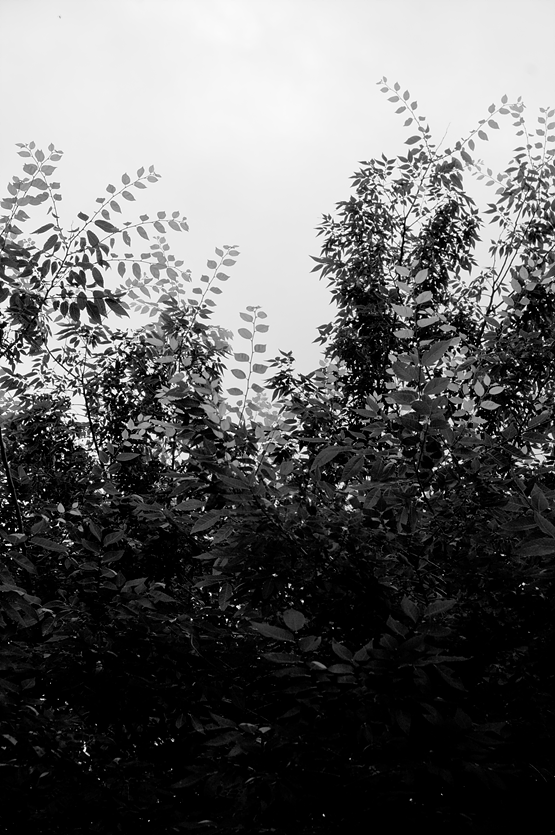
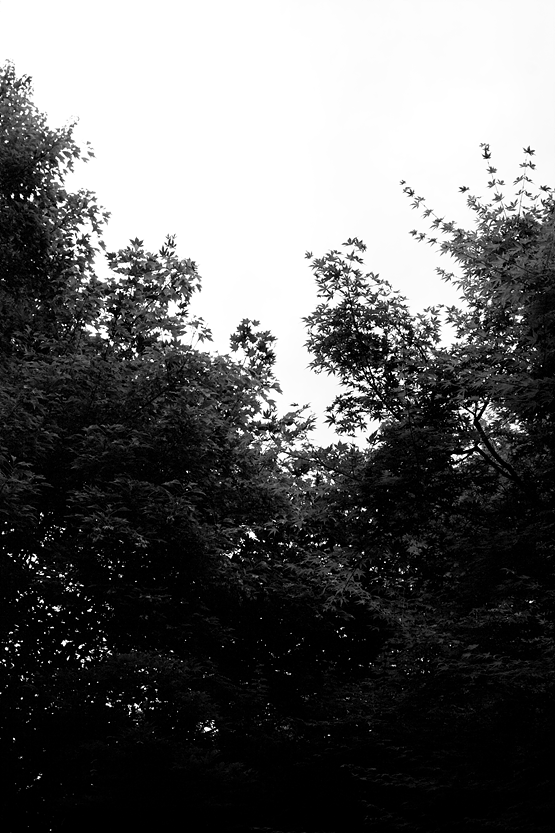
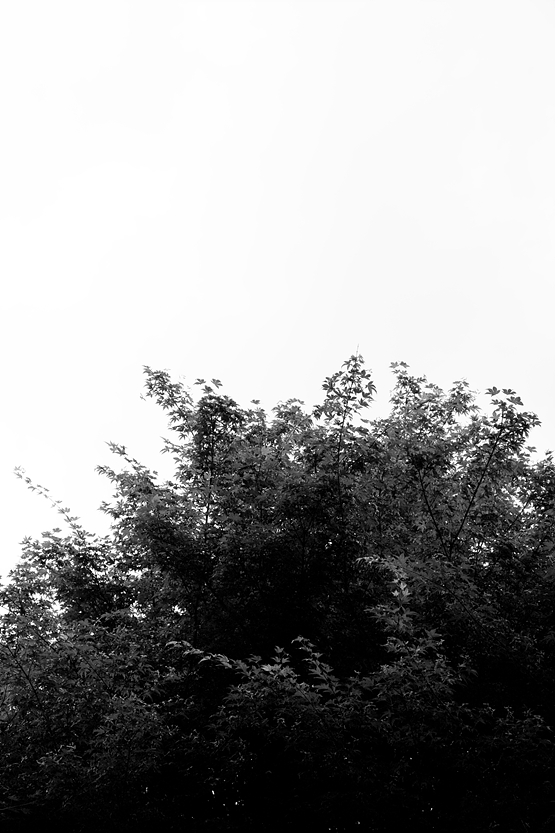
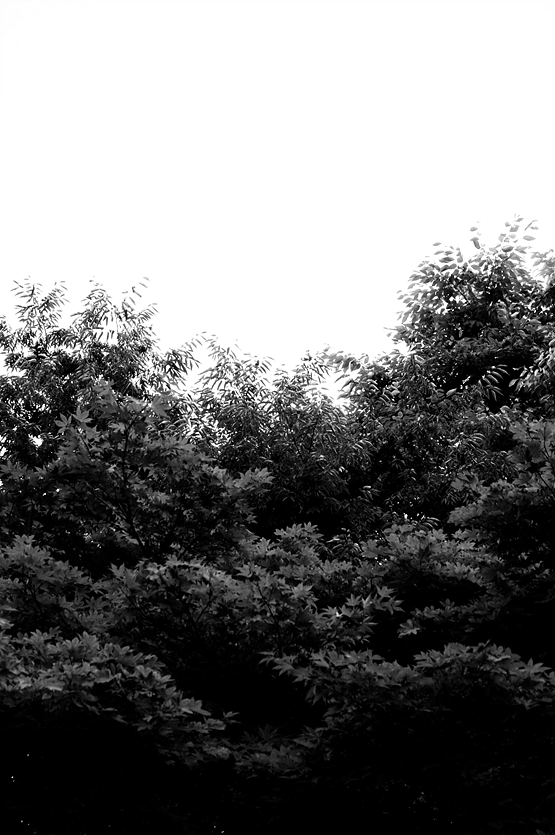
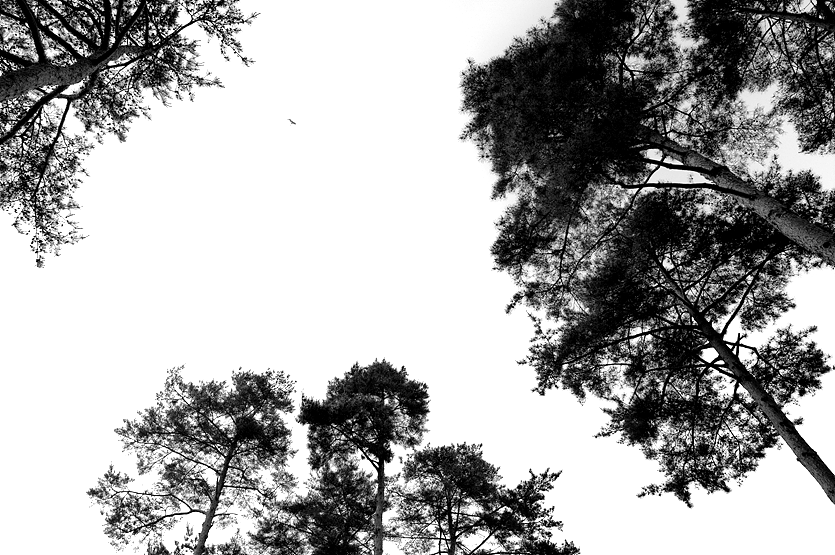
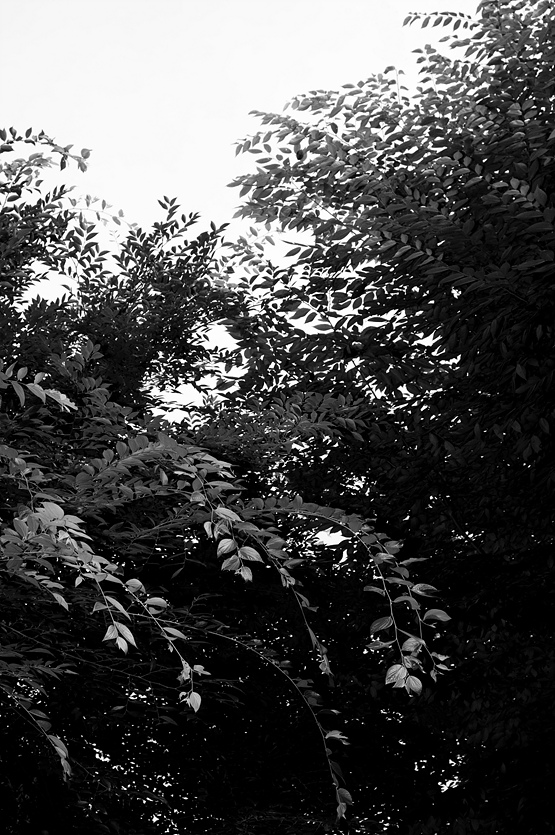
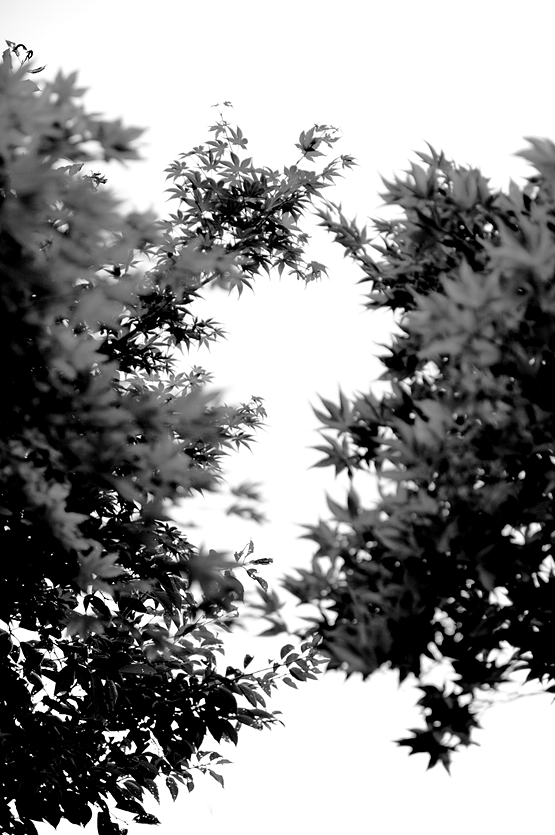
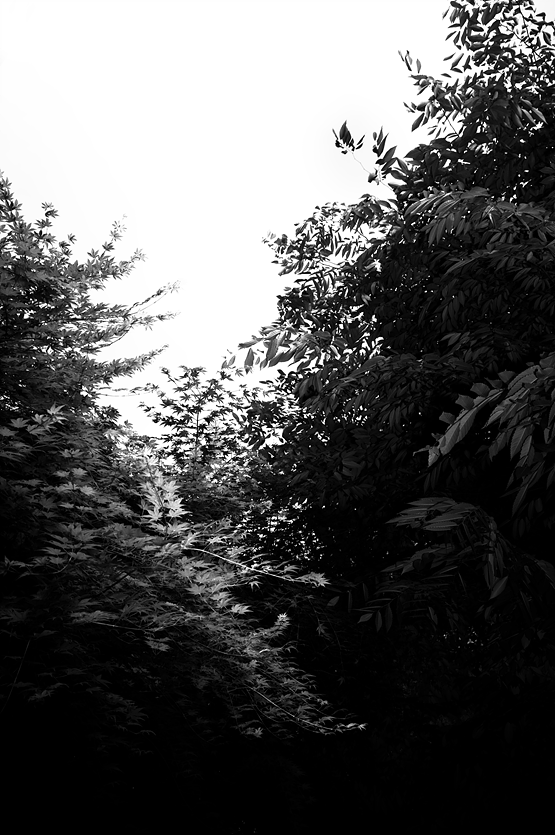
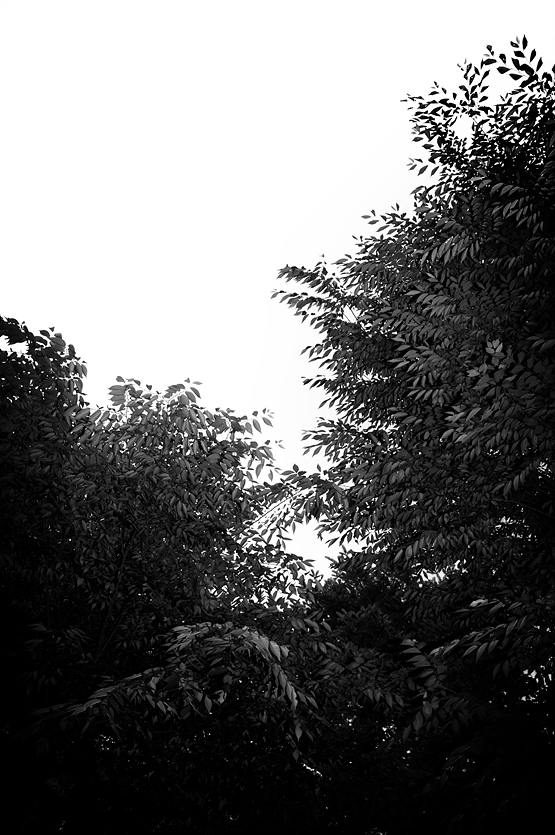
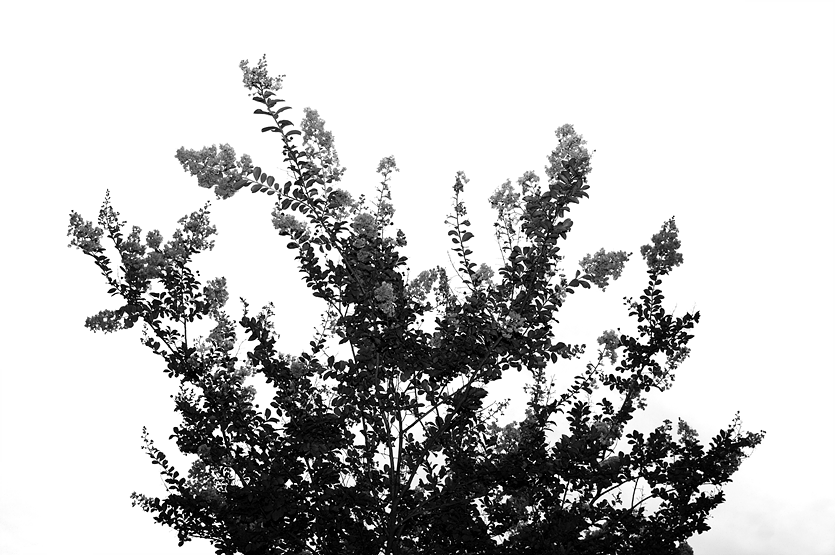
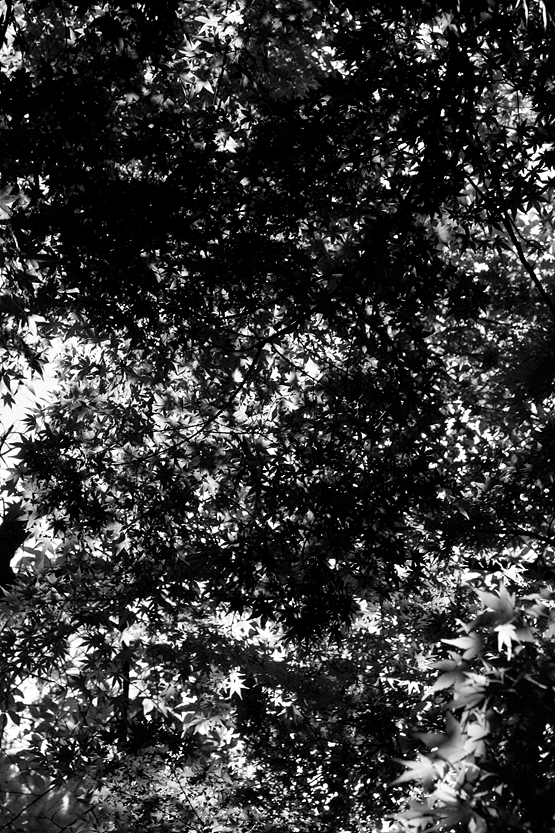
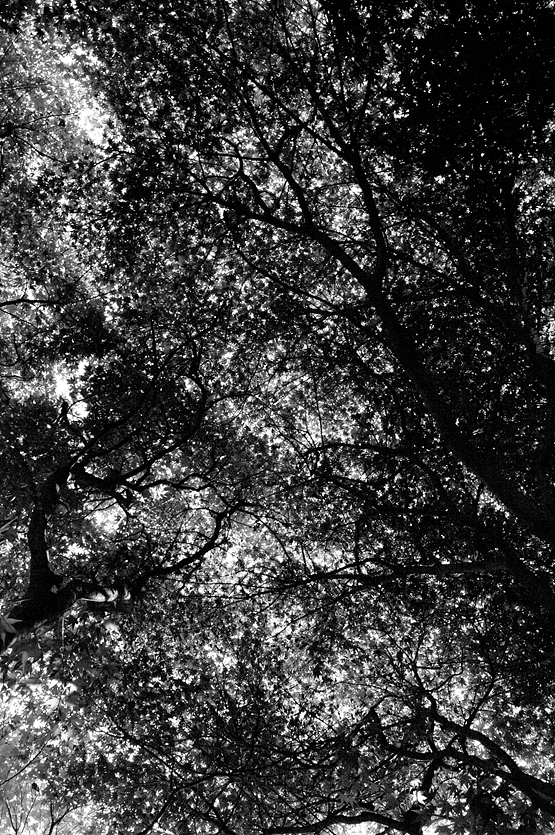
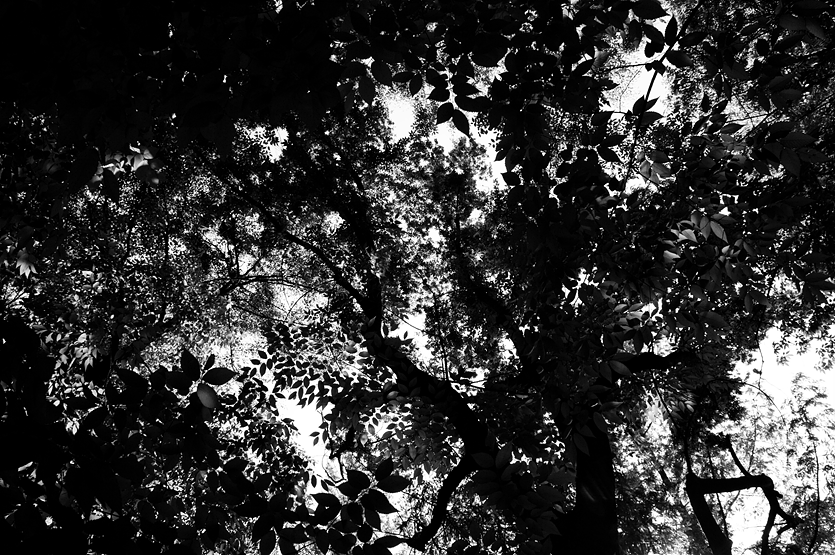
한여름 땡볕 아래 깊은 숲은 빛과 어둠이 빚어내는 명암의 조화로 경이롭다. 나뭇잎 사이를 스며드는 햇살은 어둠이 있기에 더욱 눈부시며, 숲의 그늘은 강렬한 빛을 품어 생명을 쉬게 한다. 그 풍경은 눈으로 보기에 아름다울 뿐만 아니라, 흐트러진 마음을 균형으로 돌려놓고 과열된 우리의 내면을 서늘하게 식혀 준다. 이러한 치유는 어둠이라는 품이 없었다면 결코 가능하지 않았을 것이다.
빛만 존재하는 세계는 인간의 망상 속에서나 가능하다. 실제 자연의 빛은 어둠을 배경으로 비로소 드러나며, 하루 또한 밤과 낮의 순환 속에서 완성된다. 우주는 어느 한쪽의 승리가 아니라 서로 다른 두 질서의 긴장과 균형 위에서 숨 쉬고 있다. 빛은 어둠을 몰아내기 위해 존재하는 것이 아니라, 어둠과 함께 세계를 완성하기 위해 존재한다.
빛과 어둠은 세계를 지탱하는 가장 근본적인 두 기둥이자 우주의 법칙이다. 그러므로 자연의 어둠은 인간이 덧씌운 악의 굴레로부터 명백히 무죄다. 우리는 인간의 무지와 편견 속에서 수천 년 동안 원옥(冤獄)되어 온 어둠에게 이제는 자유와 명예를 돌려주어야 한다. 끝내 이를 외면한다면, 그것이야말로 존재를 있는 그대로 바라보지 못한 인간의 오만이며, 개념을 억지로 만들어 세계를 왜곡하는 또 하나의 악이 될 것이다.
선악의 본질과 주체는 오롯이 우리 자신이다. 이 진실을 빛과 어둠으로 희석시키려는 우리 자신의 노력은 허망하고 어리석다.
A world without evil may appear peaceful. But could a world stripped of natural darkness truly know peace? More fundamentally, if darkness had never existed, this world itself could never have come into being. Yet for countless generations humanity has likened darkness to evil. From darkness's own perspective, such a judgment is profoundly unfair. Darkness has quietly upheld the balance of the cosmos, making life itself possible. It has been one of the oldest and most faithful guardians of existence.
By the very logic of nature, darkness is, no less than light, an indispensable link in the chain of existence. Every seed—the beginning of life—rests in complete darkness, gathering strength before it finally breaks into a sprout. An unborn child likewise grows within the profound darkness of the womb, while the night grants weary living beings the rest and restoration they cannot find beneath the sun. Nature has never been sustained by light alone. From the beginning, life has flourished through the harmony of light and darkness. This is not poetry, but the transparent truth of nature itself.
And yet, despite living within this generous order, humanity has long chosen darkness as the symbol of evil. Such a choice is deeply ironic. The true source of evil is not nature but humanity itself. Greed, violence, hatred, and deceit are not born of darkness; they are born of the human heart. To condemn darkness as evil is therefore not only a misunderstanding of nature, but also a convenient way of evading responsibility for our own actions.
O Zarathustra! Why did you choose such a metaphor? I raise a gentle banner of dissent against it.
On a midsummer day, a deep forest is made wondrous by the interplay of light and shadow. Sunlight filtering through the leaves shines all the more brilliantly because darkness receives it, while the cool shade shelters life from the scorching blaze. Such a landscape is beautiful not merely to the eye. It restores balance to restless minds and gently cools the fevered spirit. Without the embrace of darkness, such healing could never exist.
A world composed solely of light exists only within human imagination. In reality, light reveals itself only against the presence of darkness, just as day finds its completion through the rhythm of night. The universe does not breathe through the triumph of one over the other, but through the perpetual tension and harmony between both. Light does not exist to conquer darkness; it exists alongside darkness to complete the world.
Light and darkness are the two primordial pillars that sustain existence, the fundamental laws through which the universe endures. Natural darkness is therefore unmistakably innocent of the burden of evil that humanity has placed upon it. It is time we restored the freedom and dignity of darkness, which has endured millennia of unjust condemnation born of human ignorance and prejudice. To persist in denying this truth would itself become an act of arrogance—another form of evil created when humanity forces artificial concepts upon the world and mistakes them for reality.
The essence and the bearer of good and evil are ourselves alone. To dilute this truth into light and darkness is both futile and foolish.
悪のない世界は、一見すると平和に満ちているように思える。だが、自然の闇が失われた世界は、本当に平和と呼べるのだろうか。いや、それ以前に、もし闇というものが存在しなかったなら、この世界そのものが成り立つことはなかったはずである。
それにもかかわらず、人類は長い歳月にわたり、自然の闇を悪の象徴として語ってきた。闇の立場からすれば、それはあまりにも理不尽であり、無念なことであろう。闇とは、人が息づき、生き続けることのできる宇宙の均衡を、静かに支え続けてきた最も古く、最も忠実な存在の一つなのだから。
理に照らして考えれば、自然の闇は光と同じく、この世界を成り立たせるために欠かすことのできない存在である。すべての生命の始まりである種子は、完全な闇の中で静かに力を蓄え、やがて芽吹く。また、胎児は母の深い闇に包まれて命を育み、夜は昼の疲れを癒やし、あらゆる生命に安らぎと再生をもたらす。
自然は、光だけによって成り立ったことなど一度もない。生命は常に、光と闇が織りなす調和の中で育まれてきた。それこそが、何ものにも飾られることのない自然の真実である。
それにもかかわらず、その豊かな秩序の中で生きる人間は、闇を悪の象徴としてきた。実に皮肉なことである。悪の源は自然ではない。人間そのものにある。
欲望も、暴力も、憎しみも、欺瞞も、闇から生まれたのではない。それらはすべて、人の心から生まれたものである。ゆえに闇を悪と見なすことは、自然への誤解であるだけでなく、自らの責任から目を背けるための都合のよい言い訳にほかならない。
ツァラトゥストラよ、あなたはなぜ、そのような比喩を用いられたのですか。私はあなたのその比喩に、やさしく反旗を翻します。
真夏の烈日の下、深い森は光と闇が織り成す明暗の調和によって、息をのむほどの美しさを見せる。木々の葉を縫うように差し込む陽光は、闇があるからこそ、いっそう眩しく輝く。そして森の陰は、その強い光を受け止め、あらゆる命を静かに憩わせる。
その風景は、ただ目に美しいだけではない。乱れた心を再び均衡へと導き、熱を帯びた魂を静かに鎮めてくれる。その癒やしは、闇という懐がなければ決して生まれなかっただろう。
光だけの世界は、人間の観念の中にしか存在しない。現実の光は、闇があって初めてその姿を現し、一日は夜との循環によって初めて完成する。
宇宙は、一方が他方に勝利することで成り立っているのではない。相反する二つの秩序が互いに緊張を保ちながら調和することで、その大いなる呼吸を続けているのである。光は闇を打ち破るために存在するのではない。闇とともに、この世界を完成させるために存在している。
光と闇は、この世界を支える最も根源的な二つの柱であり、宇宙を貫く法そのものである。ゆえに自然の闇は、人間が押しつけた「悪」という烙印に対して、明らかに無罪である。
私たちは、人間の無知と偏見によって幾千年ものあいだ冤罪にも等しい扱いを受け続けてきた闇に、今こそ自由と名誉を返さなければならない。それでもなお、この真実から目を背けるなら、それこそが、人間が世界に恣意的な概念を押しつけ、現実を歪めるという、もう一つの悪となるだろう。
善悪の本質も主体も、ひとえに私たち自身である。この真実を光と闇に紛らわせようとする私たちの営みは、空しく愚かである。
THOLAD _ F
THOLAD _ L


THOLAD _ D